3873 products


Domaine Barraud Pouilly Fuisse 1er Cru La Marechaude Clos La Verchere Organic 2023 750ml
Winemaker Description
Daniel and Julien Barraud’s 2023 Clos la Verchère Pouilly-Fuissé comes from the south facing ‘La Maréchaude’ premier cru vineyard comprised of Chardonnay vines with more than 60 years of age grown on limestone rich soils. Fermented and aged in oak barrels, 20% of which are new, brings forth a wine of richness and precision. Aromas of orchard fruits, wild flowers and roasted hazelnuts on the bouquet with energetic acidity and purity on the palate and a long mineral rich finish.
Made from certified organic estate grown grapes.


Domaine Bitouzet-Prieur Meursault Les Corbins 2023 750ml
Domaine Bitouzet-Prieur Meursault Les Corbins — Côte de Beaune 2023
Domaine Bitouzet-Prieur is one of Meursault’s most respected family estates, known for wines of precision, tension, and genuine terroir expression. Les Corbins is a southeast-facing lieu-dit located north of the village of Meursault on the road to Volnay, sitting just beneath the premier cru Les Plures — a position that speaks to the quality of the site. François Bitouzet farms a hectare and a half of Chardonnay here, planted between 1974 and 1987 in a particularly deep and rocky clay-limestone soil that imparts the wine’s signature intense minerality and acid-driven tension. Aged 16 months in 20% new barrels, this is a textbook Meursault of excellent weight and complexity — a village wine that drinks with the authority of a premier cru.
The nose is enchanting: intense minerality, subtle buttercream, spice, and a lifted touch of mint. On the palate, it is weighty and precise — the Bitouzet house style of acid-driven tension is fully on display, with the deep clay-limestone soils delivering concentration and structure alongside the classic Meursault richness. A wine of real distinction that will reward cellaring.
67 Wine — “Les Corbins sits just beneath the premier cru Les Plures, and it shows. Intense minerality, buttercream, spice and mint — with the acid-driven tension that defines the Bitouzet-Prieur house style. A village Meursault that drinks like a premier cru.”
- Producer: Domaine Bitouzet-Prieur, Meursault, Côte de Beaune, Burgundy, France
- Vintage: 2023
- Appellation: Meursault AOC
- Lieu-Dit: Les Corbins (SE-facing, north of Meursault village, below premier cru Les Plures)
- Varietal: 100% Chardonnay
- Vine Age: Planted 1974–1987
- Soil: Deep, rocky clay-limestone
- Aging: 16 months, 20% new oak barrels
- Size: 750ml
- Tasting Notes: Intense minerality, buttercream, spice, mint, excellent weight, acid-driven tension, long finish
- Cellar Potential: Drink 2025–2035+
- Best Paired With: Lobster, roast turbot, scallops, roast chicken with cream sauce, aged Comté
Southeast-facing, clay-limestone, vines from 1974 — Bitouzet-Prieur’s Les Corbins is the village Meursault that earns its place among the greats.


Domaine Blain Gagnard Le Montrachet Grand Cru 2019 750ml
Expert Review - Vintage 2019
Burghound 94 points | There is just enough wood and menthol elements present to be worth noting surrounding the citrusy apple, pear and exotic tea-scented nose. The bigger, richer and more sophisticated medium weight plus flavors possess evident power as well as a lovely sappiness that coats the palate on the delicious, highly complex and strikingly long finale. Like the Bâtard, this beauty is built for the long haul though it could actually be approachable after only 7 to 8 years. In brief, this is extremely promising.


Domaine Boingneres Bas Armagnac Folle Blanche 1981 750ml
Vinous 98 Points | One of the finest examples of 100% Folle Blanche in all of Armagnac. This 31-year-old is light copper, with a complex floral bouquet of rose and almond blossom along with aromas of fig and candied orange that roll onto the palate, developing seamlessly into gingerbread on the midpalate and finishing fresh with notes of mint and licorice and that go on forever. Pretty, delicate, yet still dense and intense. A beautiful spirit that justifies its price.

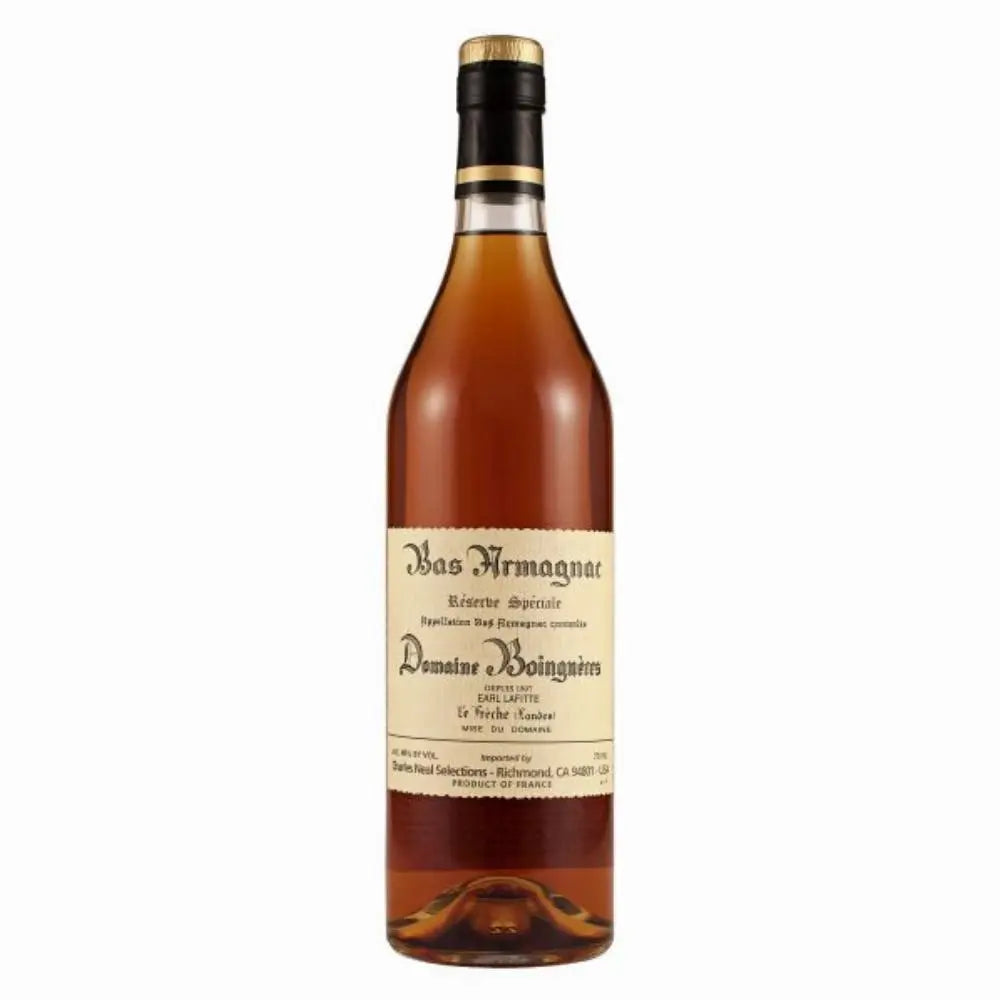
Domaine Boingneres Reserve Speciale Bas Armagnac 750ml
Producer Description
Domaine Boingnères is, by and large, considered the benchmark of brandy from the Bas-Armagnac. The estate was acquired in 1807 by Jean- Baptiste Boingnères, ancestor of current proprietor, Martine Lafitte. Located in the small commune of Le Frêche, the area has perhaps the best growing soil of the region. The Boingnères estate vineyards cover 21 hectares, 13 of which are planted in Folle Blanche, 4.5 in Colombard, and 4 in Ugni Blanc. Martine’s focus on brandy distilled from Folle Blanche reflects her commitment to the noble varieties, though a Boingnères bottling of Baco can sometimes be found—an echo of distillation from her father’s time.
Much of the oak at Boingnères comes from the Gascon forests. Martine contracts trees every year, and the staves are air-dried next to one of the Boingnères chais. The staves are then fabricated into 420-liter barrels by the local tonnelier, Gilles Bartholomo. Gilles’s grandfather actually made the barrels for Martine’s grandfather more than 60 years ago! The barrels are stored in one of two chais, both of which are relatively dry. Consequently, the alcohol level descends very slowly, and even after 20 years, some barrels have only lost 3 degrees of alcohol!
Armagnac is traditionally bottled without being reduced in alcohol, and as Martine Lafitte is a strict traditionalist, the Armagnacs at Boingnères are released at cask strength to ensure their absolute purity.
The Reserve Speciale is distilled from approximately one-third each of Ugni Blanc, Colombard, and Folle Blanche (exact proportions will vary lot to lot) and aged in used, 420-liter French oak casks for a minimum of 5 years (again, age range will vary lot to lot). Aromas of melted marshmallow and orange zest are joined on the palate by fire and tannin. A savory finish of Castelvetrano olives and umami concludes this fascinating flavor arc. 48% ABV.


Domaine Boris Champy Bourgogne Hautes Cotes De Beaune Blanc Presse Verticale 382 Organic Biodynamic 2022 750ml
Expert Review - Vintage 2022
Stuart Pigott of JamesSuckling.com 95 Points | This astonishing white Burgundy squares the circle of excellent ripeness and concentration with great freshness and vitality. Lovely aromas of bergamot and candied lime peel with a creaminess that’s deftly wrapped around the firm mineral core. Very long, focused and polished finish. From biodynamically grown grapes with Demeter certification. Unfiltered. Drink or hold.
Bill Nanson of Burgundy Report | Also an airy, modestly floral super-attractive aromatic. Hmm, not a fat or generous wine but one with wonderful airy fruit quality. That’s a gorgeous wine – bravo.
Memo Summary Notes
The Domaine Boris Champy "Presse Verticale 382" 2022 is a masterclass in high-altitude, biodynamic Burgundy. Boris Champy—former director of legendary estates like Louis Latour and Clos de Lambrays—acquired this estate in 2017 with a mission to prove that the Hautes-Côtes de Beaune is the future of the region due to its cooler climate.
The "382" in the name refers to the 382-meter elevation of the "Montagne de Cras" plot in Nantoux, while "Presse Verticale" highlights his use of a traditional vertical basket press for a gentler extraction.
Pair with
-
Seafood: Pan-seared sea bass with fennel, smoked salmon, or lobster risotto.
-
Poultry: Roasted farm chicken with tarragon or a classic Gratin Dauphinois.
-
Cheese: Pairs beautifully with an 18-month aged Comté or a creamy Brillat-Savarin.

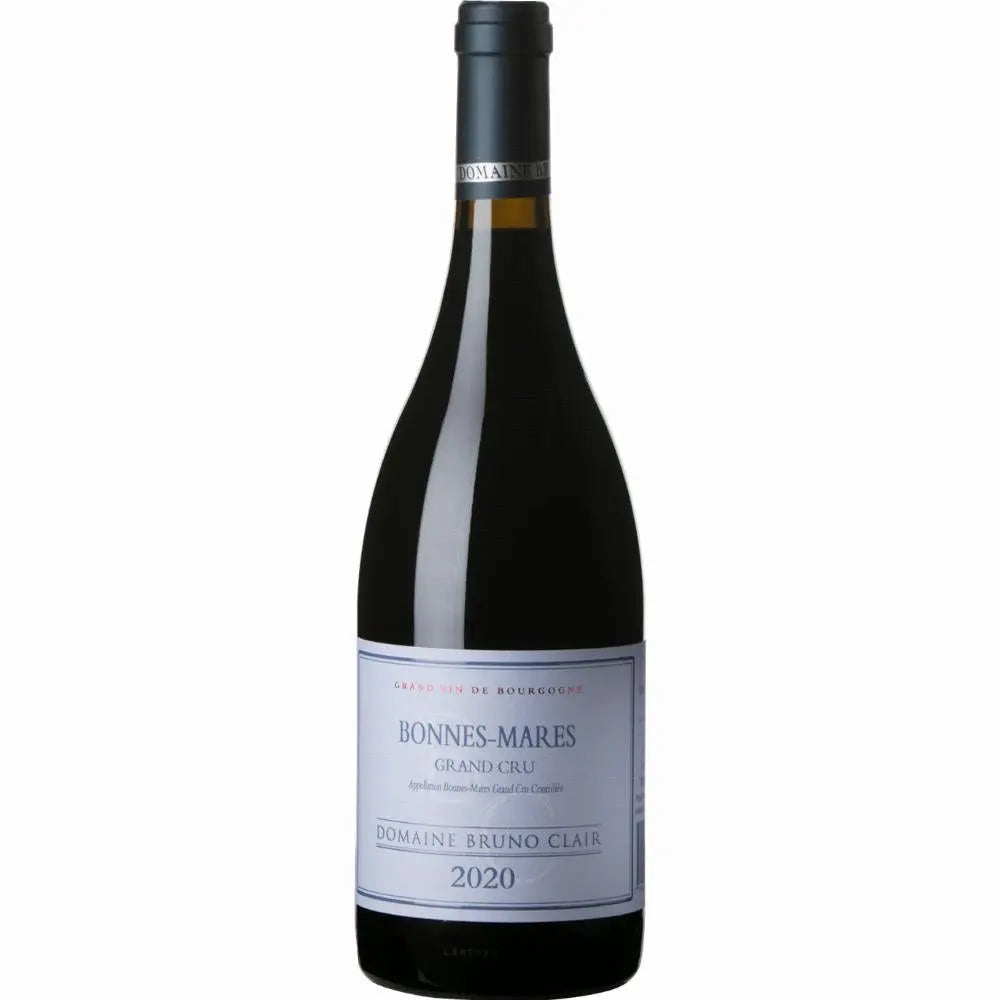
Domaine Bruno Clair Bonnes Mares Grand Cru 2020 750ml
Expert Reviews
Burghound 93 Points | A slightly riper nose features notes of poached plum, black raspberry, violet, lavender and a hint of Asian-style tea. The palate soaking broad-shouldered flavors possess outstanding density, which is a good thing considering that the supporting tannins are very dense on the massively persistent finish. This austere and compact effort is going to need a very long snooze in a cool cellar before it even begins to reach its apogee. *Don't Miss!*
Decanter 97 Points | Bruno Clair has a large plot in Bonnes-Mares (1.63ha), with most of it on the Morey-St-Denis side of the vineyard, and largely on the white marl soils called terres blanches. These give a very expressive wine, with a lovely, high-toned raspberry and rose petal nose shot through with notes of mineral and smoke. The wine is done with 30% whole clusters in the ferment and is aged over two winters in cask (30% new) to deliver a wine of purity and elegance. (Charles Curtis)
Vinous 95 points | The 2020 Bonnes-Mares Grand Cru is surprisingly backward on the nose with tightly-wound blackberry, redcurrant and cranberry fruit with sea spray and light pine cone aromas. The palate is medium-bodied with grippy redcurrant and strawberry fruit. This is a solid Bonnes-Mares, correct, not flashy but serious and as such, it deserves several years in bottle. It has the substance and complexity to reward those with patience. (NM)


Domaine Bruno Clair Chambertin Clos De Beze Grand Cru 2020 750ml
Expert Reviews - Vintage 2020
Burghound 93 Points | Here too the restrained if wonderfully broad nose is gloriously spicy if perhaps not quite as floral on the mostly dark berry fruit scents. There is the same lovely purity and excellent energy of the Clos St. Jacques but with more size, weight and power and particularly so on the hugely long and more complex finish. However, this is also more structured and overall, it's likely that this will require fully 20 years to reach its full maturity. *Burghound Don't Miss!*
Decanter 97 Points | The colour is deep in 2020, with ripe plum and cherry fruit scented with spice and minerals rolling from the glass on the initial attack. The texture on the palate is concentrated but never heavy, with tannic reserves that suggest that this will age for decades. Superb. One of the great treasures of the house, Clair has nearly one hectare here, planted in 1912. The fruit is is chilled after picking and the fermentation starts slowly, with about 30% whole clusters. (Charles Curtis)
Vinous 96 Points | The 2020 Chambertin Clos de Bèze Grand Cru has a fabulous, pixelated bouquet with ebullient, brambly red fruit interlaced with minerals. Real pedigree here. The palate is medium-bodied with a sappy, saline entry. Great depth, cohesive with just the right amount of salinity. This lingers long in the mouth. Irresistible, surfeit with class. (NM)


Domaine Bruno Clair Morey Saint Denis BLANC En la Rue de Vergy 2004 750ml
Winemaker Description
Bruno Clair set up an eponymous estate in France established in 1979 with vineyard holdings spread all over the area. Half of the vines are a century old. Bruno Clair, a true vigneron, has the expertise needed to reinvent this area better than anyone and his Marsannay wines are very elegant and long-lasting. His respect for the terroir and the stylistic precision of his wines makes him one of the best producers in Burgundy.
This textbook En la Rue de Vergy is one of the rare white wines of the Côte de Nuits. It is complex, perfectly balanced, and well-structured with very clean tannins and crisp acidity and a long finish. The intense, rich palette presents lemon, grapefruit, oak, vanilla, yellow apple, almonds, and white melon flavors with herbal, floral, and mineral nuances. It's a nice accompaniment to paella.


Domaine Caroline Bonnefoy Côtes du Rhône Villages Rasteau Organic 2018 750ml
Experience the Excellence of Caroline Bonnefoy Estate's Organic Côtes du Rhône Villages Rasteau 2018
Our Professional Review
Bart of 67Wine.com writes | A delicious blend of organically grown grapes: 60% Grenache grown on upper south-southwest facing pebble slopes, and 40% Syrah grown in clay. Deeply colored with an enticing bouquet of blackberries, cherries and intense mineral notes. Velvety yet ample and rich in the mouth with supple tannins and an energetic lift on the delightful finish. This is a wine at the peak of its perfection to drink now. A great complement to country cooking and comfort foods. Certified organic.
Expert Review - Vintage 2018
Anna Lee C. Lijjma of the Wine Enthusiast writes | Notes of incense and preserved black plums introduce this smoky, spicy blend of Grenache and Syrah. While full in body, it's a briskly composed wine highlighting tart blackberry flavors and a lingering earthen finish. Best now–2026.
Memo Summary Notes
The 2018 Domaine Caroline Bonnefoy Rasteau is a classic expression of a "Cru" Rhone wine—meaning it comes from one of the top-tier villages permitted to put its own name on the label.
Introduction to Caroline Bonnefoy Estate
Caroline Bonnefoy Estate is renowned for producing exceptional organic wines, and the Côtes du Rhône Villages Rasteau 2018 is no exception. This wine captivates with its vibrant characteristics and is a true representation of the region’s terroir. It’s crafted meticulously from grapes grown in rich, mineral-laden soils, which contribute to its deep complexity. The estate focuses on sustainable practices, ensuring that each bottle reflects their commitment to quality and the environment.
Flavor Profile and Characteristics
The 2018 Côtes du Rhône Villages Rasteau is characterized by its robust flavor profile. It offers rich notes of dark fruits such as blackberry and plum, complemented by subtle hints of spice and earthy undertones. This complexity makes it a perfect pairing for hearty meals. Its smooth tannins and well-balanced acidity create an enjoyable drinking experience, whether you’re sipping it solo or enjoying it with food.
Perfect Pairings and Serving Suggestions
This organic wine shines when paired with hearty dishes like grilled meats and rustic stews. Because of its rich flavor profile, it also matches well with aged cheeses and charcuterie. When serving, it’s advisable to decant this wine for at least an hour to allow its flavors to fully develop. Enjoy it at a temperature of around 16-18°C to experience its full potential. So, whether you’re hosting a dinner party or enjoying a quiet evening, the Côtes du Rhône Villages Rasteau 2018 is a great choice.


Domaine Chandon de Briailles Pernand Vergelesses Rouge 1er Cru Ile Des Vergelesses Organic Biodynamic 2021 750ml
Expert Review
92 Points Burghound | A slightly more deeply pitched nose is comprised by decidedly cool notes of plum, dark currant, forest floor and floral top notes, especially violet. Much like the Lavières, there is a positively gorgeous, even silky, texture to the lighter-bodied flavors thanks to the ultra-fine tannins shaping the overtly stony, dusty and youthfully austere finale. This is textbook Ile de Vergelesses.


Domaine Chandon De Briailles Savigny Les Beaune 1er Cru Les Lavieres Organic Biodynamic 2021 750ml
Expert Review - Vintage 2021
Allen Meadows of Burghound writes 91 Points | There is a touch of post-bottling reduction, but the underlying fruit seems to be ripe. On the palate there is excellent freshness and verve to the utterly delicious medium-bodied flavors that also exude a more prominent minerality on the beautifully textured, long and well-balanced finish that is shaped by notably fine-grained tannins. This is also lovely and a wine that should be approachable in its youth yet repay up to a decade of keeping, perhaps even slightly more.


Domaine Chante Cigale Châteauneuf Du Pape 2023 750ml
Expert Review - Vintage 2023
The Wine Advocate 89 Points | Partially destemmed and matured in a mix of foudres, large barrels and concrete tanks (80%), the 2023 Chateauneuf du Pape is somewhat shy and introverted at this stage, opening with aromas of dark berries and licorice. Medium- to full-bodied, round and sappy, it shows a sweet, juicy core of fruit tapering into a finish that is slightly marked by bitterness.
Memo Summary Notes
-
This estate continues to work its way up the hierarchy in Châteauneuf du Pape and today are fashioning some of the most exciting wines in the appellation.”
—Jeb Dunnuck

As at many family domaines with deep roots in Châteauneuf-du-Pape, vigneron Alexandre Favier was by his own account “raised in the vineyards”: Alexandre’s grandfather, Noël Sabon, is from one of the best known winemaking families in the region. Alexandre himself began his viticultural studies in Orange at the age of fifteen and passed the exams four years later in 2001. A year later (at age twenty!) he took over winemaking duties at the domaine when his father experienced health problems.
This is a traditional house with 40 hectares of red grapes and 5 hectares of white. They have parcels in all of the main soil types of Châteauneuf and they vinify the top parcels separately. Only native yeasts are employed in the cellar, and the reds are mostly de-stemmed.
Memo Summary Notes Extended
Food Match: This wine excels with herb-crusted roast lamb, wild mushroom risotto, or a hearty lentil moussaka.


Domaine Charvin Cotes du Rhone Le Poutet 2024 750ml
Domaine Charvin · Côtes du Rhône · Le Poutet · 2024 · 750ml
The Producer
Founded in 1851, Domaine Charvin is now run by Laurent Charvin, the sixth generation of his family to farm the estate. Soon after taking over from his father, Laurent set aside most modern winemaking technology and converted all 28 hectares, including 10 hectares of Châteauneuf-du-Pape, to organic viticulture. Fermentation is traditional and whole-cluster, stems and all, and the wines are raised entirely in concrete, never barrel. For years Laurent was almost alone in working this way. Now others are following his lead. He's regarded as one of the appellation's top winemakers by Guy Julien of the renowned restaurant La Beaugravière in Mondragon, as well as by leading French sommeliers and wine writers. As of 2023, Domaine Charvin joins only Clos des Papes, Clos du Mont-Olivet, Château Rayas and Le Vieux Donjon as a 3-star Châteauneuf-du-Pape producer in the RVF Green Guide.
The Vineyard
Le Poutet comes from vines averaging 50 years old, some as old as 90, in parcels that border Châteauneuf-du-Pape: Maucoil to the northwest, and Campovin and Boislauzon to the northeast. The soils are sandy clay and limestone scattered with galets, the famous rounded stones of the southern Rhône.
The Wine
Roughly 80% Grenache with Mourvèdre, Syrah and Carignan, the grapes see a 15 to 20-day whole-bunch fermentation with daily pump-overs, then 18 months in concrete vat before bottling unfined and unfiltered. The result stands shoulder to shoulder with many Châteauneuf-du-Pape: complex aromas of garrigue and spiced red fruit, with the structure to evolve for ten to fifteen years.
Pairings & Serving
Made for Provençal cooking: herb-roasted lamb, daube de bœuf, grilled sausages, ratatouille or aged hard cheeses. Serve around 60–64°F, and give it some air in its youth.
Specs
- Producer: Domaine Charvin
- Wine: Le Poutet
- Appellation: Côtes du Rhône AOC
- Region: Southern Rhône, France
- Vintage: 2024
- Blend: ~80% Grenache, with Mourvèdre, Syrah, Carignan
- Vine age: Average 50 years (up to 90)
- Farming: Organic
- Élevage: 18 months in concrete, unfined and unfiltered
- Size: 750ml
Châteauneuf soul at a Côtes du Rhône price, from one of the southern Rhône's great traditionalists.


Domaine Clos De La Chapelle Corton Charlemagne Grand Cru 2023 750ml (Offer)
95 Points — Wine Spectator
94 Points — Jasper Morris, MW, Inside Burgundy
Domaine Clos de la Chapelle’s 2023 Corton-Charlemagne is a profound and exceptionally limited expression of one of Burgundy’s most celebrated white-wine vineyards. Produced entirely from Chardonnay, it combines the natural richness and power of the Corton hill with vibrant acidity, stony minerality and the remarkable precision for which the finest Corton-Charlemagne wines are known.
The Place
Corton-Charlemagne is a Grand Cru appellation situated at the northern end of Burgundy’s Côte de Beaune, where the rounded Hill of Corton rises above the villages of Aloxe-Corton, Pernand-Vergelesses and Ladoix-Serrigny. The appellation occupies the hill’s higher, cooler slopes at approximately 280 to 330 meters above sea level.
These elevated vineyards are planted on steep slopes composed of limestone, marl and thin, stony soils. The combination of altitude, exposure and mineral-rich geology gives Corton-Charlemagne its distinctive balance of concentration, freshness and long-lived structure. Although the appellation covers approximately 60 hectares currently under production, individual domaine holdings are often extremely small.
The Vineyard
Domaine Clos de la Chapelle farms just 0.30 hectare—less than one acre—of Corton-Charlemagne. Its parcel is located on the Pernand-Vergelesses side of the hill, facing west, and is planted with approximately 45-year-old Chardonnay vines. The soils contain a high proportion of limestone and marl, contributing to the wine’s firm mineral backbone, chalky texture and naturally persistent finish.
Production is correspondingly tiny, making this one of the domaine’s rarest and most sought-after bottlings.
The Grape
100% Chardonnay. Corton-Charlemagne is reserved exclusively for white Grand Cru Burgundy produced from Chardonnay. In this remarkable terroir, the grape develops considerable body and concentration while retaining the acidity, mineral tension and definition necessary for extended bottle aging.
Winemaking
Following harvest and sorting, the grapes are whole-cluster pressed. After a short settling of the juice, fermentation takes place in barrel with native yeasts. The wine is then matured in barrel for approximately 12 to 18 months, depending upon the character of the vintage, followed by a light fining before bottling.
Jasper Morris noted that the 2023 was produced from five barrels, with the fruit pressed without prior crushing and one barrel reserved for a longer period of élevage.
Tasting Notes
The 2023 opens with expansive aromas of lemon, ripe apple, fresh citrus, crushed stone and discreetly toasted oak. With air, additional notes of white flowers, orchard fruit and subtle spice begin to emerge.
The palate is broad and expressive yet beautifully controlled, supported by vibrant acidity and a firm, steely mineral backbone. Ripe citrus and apple flavors are layered with chalk, stone and finely integrated oak. There is impressive depth through the middle of the palate, followed by a long, focused and seemingly endless finish marked by freshness, chalky texture and mouthwatering mineral persistence.
This is a powerful yet precise Corton-Charlemagne: already expressive, but structured to reward patient cellaring.
Professional Ratings
95 Points Wine Spectator This white is expansive and expressive, with lemon, apple tart, citronella, stone and toasty oak aromas and flavors. Delineated by vibrant acidity, with well-integrated oak and a chalky feel on the seemingly endless finish.
94 Points — Jasper Morris, MW, Inside Burgundy 5 barrels, without crushing before pressing, one will be kept back for a longer elevage. Quite a deep yellow. The bouquet is very different to Pierre Meurgey’s Corton-Charlemagne (more or less the same fruit but some was crushed), the Clos de la Chapelle version offering more precision but less character. This version has a steely backbone, some ripe citrus, a little flesh, medium tension, apples at the back. Just needs a little more tension for the 4th star. Barrel Sample: 92-94
The Domaine
Domaine Clos de la Chapelle is based in Volnay and takes its name from the historic Volnay Premier Cru Clos de la Chapelle monopole, acquired by Victor Boillot in 1865. After remaining with the Boillot family for nearly 150 years, the estate was acquired in 2010 by Burgundy enthusiast Mark O’Connell and his Burgundian partners.
Today, the domaine cultivates approximately five hectares divided among 16 vineyards, including prized Premier Cru and Grand Cru parcels in Volnay, Pommard, Beaune, Meursault and Corton. Annual production is extremely limited, totaling approximately 2,000 cases across the entire estate.
Food Pairing and Service
Serve at approximately 54–57°F. This structured, mineral-driven white Burgundy is an exceptional partner for lobster, scallops, halibut, sea bass, crab, roast poultry, veal in cream sauce, escargots and richly textured cheeses such as Comté or Délice de Bourgogne.
While the wine may be enjoyed young with decanting, Corton-Charlemagne is renowned for its ability to develop for decades. Additional bottle age will allow its citrus, stone and oak elements to integrate while revealing more complex notes of honey, toasted nuts, truffle and spice.
Region: Burgundy, France
Subregion: Côte de Beaune
Appellation: Corton-Charlemagne Grand Cru
Village Area: Pernand-Vergelesses side of the Hill of Corton
Grape: 100% Chardonnay
Vineyard Holding: 0.30 hectare
Vine Age: Approximately 45 years
Soil: Limestone and marl
Wine Type: Dry white wine
Bottle Size: 750ml
Domaine Clos de la Chapelle Corton-Charlemagne Grand Cru 2023


Domaine Clos de la Chapelle Meursault 1er cru Charmes 2023 750ml (Offer)
94+ Points — John Gilman, View From the Cellar
93 Points — Wine Spectator
92 Points — Allen Meadows, Burghound
Domaine Clos de la Chapelle’s 2023 Meursault Premier Cru Charmes is a beautifully concentrated and exceptionally limited Chardonnay from one of the most celebrated Premier Cru vineyards in the Côte de Beaune. Combining the natural generosity of Charmes with finely structured acidity, mineral definition and an elegant oak influence, this is a refined, age-worthy white Burgundy produced in extremely small quantities.
The Place
Meursault is located in the heart of Burgundy’s Côte de Beaune, immediately south of Volnay and north of Puligny-Montrachet. Although the village has no Grand Cru vineyards, its finest Premier Crus produce some of the world’s most distinguished and longest-lived Chardonnay.
The Meursault appellation includes 19 officially classified Premier Cru climats. The best vineyards are generally situated at approximately 260 meters above sea level, with exposures ranging from east to south. Their soils are predominantly composed of Jurassic marl and marly limestone, with localized deposits of magnesium-rich limestone.
These soils and exposures allow Chardonnay to achieve exceptional ripeness while retaining the freshness, structure and mineral complexity essential to fine white Burgundy.
The Charmes Vineyard
Charmes is the largest of Meursault’s Premier Cru vineyards and one of its most famous. It lies in the southern portion of the appellation, adjoining the Premier Cru vineyards of Perrières and Puligny-Montrachet’s Les Combettes.
The vineyard is traditionally associated with broad, generous and naturally opulent wines. Charmes often displays a softer, more floral and gently honeyed personality than the firmer, more mineral-driven Perrières, while still possessing the structure and acidity required for extended aging.
Domaine Clos de la Chapelle’s parcel is situated in the lower part of the Charmes vineyard, an area that has responded particularly well to Burgundy’s increasingly warm and dry growing seasons.
The Domaine’s Parcel
Domaine Clos de la Chapelle farms only 0.125 hectare—approximately one-third of an acre—of Meursault Premier Cru Charmes. The Chardonnay vines were planted in 1950 and are now more than 70 years old.
The vineyard’s reddish-brown soil contains a high proportion of clay. This clay retains water and helps protect the old vines during hot, dry growing seasons, yet the parcel remains sufficiently well-drained to avoid excessively humid or disease-promoting conditions.
The tiny size of the holding results in extremely limited production, making this one of the domaine’s rarest white wines.
The Grape
100% Chardonnay. Chardonnay is Burgundy’s great white-wine grape and an exceptionally sensitive interpreter of place. In Meursault Charmes, it develops a combination of ripe orchard fruit, citrus, floral notes, toasted nuts and textural richness, balanced by fresh acidity and a distinct mineral undertone.
Winemaking and Aging
The grapes are harvested by hand and carefully sorted. The wine is traditionally vinified and matured in French oak barrels for approximately 14 months.
Barrel fermentation and aging contribute texture, complexity and subtle notes of toast and spice, while the wine’s natural acidity preserves freshness and definition. The oak is intended to frame the concentrated old-vine Chardonnay rather than overwhelm the character of the vineyard.
Tasting Notes
The 2023 Meursault Charmes opens with expressive aromas of ripe lemon, yellow apple, pear and white flowers, joined by notes of crushed stone, hazelnut and delicately integrated oak spice.
On the palate, the wine is silky and concentrated, with the natural breadth and generosity associated with Charmes. Ripe orchard fruit and citrus flavors are supported by energetic acidity, fine mineral tension and a subtle savory nuttiness.
Despite its richness, the wine remains linear, elegant and beautifully controlled. The finish is long and focused, carrying persistent notes of citrus, minerals and oak spice. This is a powerful yet graceful Meursault with the structure to develop considerable complexity in bottle.
Professional Ratings
94+ Points — John Gilman, View From the Cellar John Gilman awarded the 2023 Meursault Premier Cru Charmes 94+ points, placing it among the highest-rated wines from Domaine Clos de la Chapelle’s 2023 collection.
93 Points — Wine Spectator "Silky in texture and exuding lemon, apple, mineral and oak spice aromas and flavors, this white is linear and elegant. Defined by its bracing acidity, this extends on the citrusy and spicy aftertaste. Best from 2027 through 2039. 75 cases made, 48 cases imported."
92 Points — Allen Meadows, Burghound Allen Meadows awarded the 2023 Meursault Premier Cru Charmes 92 points, recognizing the wine’s quality, structure and expression of this renowned Premier Cru vineyard.
The Domaine
Domaine Clos de la Chapelle is based in Bligny-lès-Beaune and takes its name from the historic Volnay Premier Cru Clos de la Chapelle monopole. The walled vineyard was acquired by Victor Boillot in 1865 and remained in the Boillot family for nearly 150 years.
The estate entered a new chapter in 2010 when Burgundy enthusiast Mark O’Connell and his Burgundian partners acquired the domaine. Since then, the vineyard holdings have expanded carefully to include prized parcels in Volnay, Pommard, Beaune, Pernand-Vergelesses, Meursault and Corton.
The domaine remains extremely small, cultivating approximately five hectares divided among numerous individual vineyards. Its philosophy emphasizes meticulous vineyard work, hand harvesting, low yields and limited production, allowing each wine to express the character of its individual climat.
Food Pairing
This rich yet structured white Burgundy is an exceptional accompaniment to lobster, scallops, crab, turbot, halibut and sea bass. It also pairs beautifully with roast chicken, veal in cream sauce, mushroom risotto, foie gras and richly textured cheeses.
Its combination of depth, freshness and gentle nuttiness makes it particularly successful with grilled lobster, shellfish in butter or cream sauce, poultry with morels and aged Comté.
Serving and Cellaring
Serve cool but not overly chilled, ideally between 50 and 54°F. A young bottle may be opened approximately 30 minutes before serving to allow its aromas and texture to develop.
The wine may be enjoyed for its youthful fruit and energy, but its acidity, concentration and old-vine depth make it an excellent candidate for extended cellaring. Wine Spectator recommends drinking it from 2027 through 2039.
Producer: Domaine Clos de la Chapelle
Country: France
Region: Burgundy
Subregion: Côte de Beaune
Village: Meursault
Appellation: Meursault Premier Cru
Vineyard: Charmes
Classification: Premier Cru
Grape: 100% Chardonnay
Vineyard Holding: 0.125 hectare
Vine Age: Planted in 1950
Soil: Reddish-brown, clay-rich soil over Burgundy limestone
Aging: Approximately 14 months in barrel
Alcohol: 13.5%
Wine Type: Dry white wine
Bottle Size: 750ml
Domaine Clos de la Chapelle Meursault Premier Cru Charmes 2023


Domaine Clos de la Chapelle Meursault Cuvée Confluence 2023 750ml (Offer)
92 Points - Wine Spectator
89-91 Points - Jasper Morris MW, Inside Burgundy
Two vineyards. Two soils. One seamless expression of Meursault. Domaine Clos de la Chapelle's 2023 Cuvee Confluence draws from En Marcausse and Les Vignes Blanches, contiguous lieux-dits whose contrasting geology gives this village-level Chardonnay a complexity that rivals many a Premier Cru. Clay-driven richness meets limestone-driven tension, and the result is a white Burgundy of genuine depth, harmony and length.
The Place
Meursault occupies the heart of the Cote de Beaune, flanked by Volnay to the north and Puligny-Montrachet to the south. It is one of Burgundy's most celebrated white-wine villages, internationally recognized for Chardonnay that combines generous orchard fruit, hazelnut complexity and a pronounced limestone-derived mineral character with vibrant, food-friendly acidity.
Although Meursault has no Grand Cru vineyards, its finest Premier Cru and village-level climats produce some of Burgundy's most distinctive and age-worthy whites. The appellation encompasses approximately 382.64 hectares of white-wine production, including 103.79 hectares of Premier Cru, planted predominantly to Chardonnay in a complex mosaic of limestone, marl, clay and gravel.
The Meaning of Cuvee Confluence
The name Confluence speaks to a meeting of opposites: old vines and young, two adjoining vineyards, two distinct but complementary terroirs. Although En Marcausse and Les Vignes Blanches share a boundary, the soil composition shifts noticeably at the point where one vineyard meets the other, and it is precisely this contrast that defines the wine.
The Vineyards
En Marcausse lies immediately below Les Petits Charrons on the Meursault slope. Natural drainage is encouraged by a break in the topography, while the vineyard's higher clay content contributes body, texture and breadth to the finished wine. The domaine farms approximately 0.20 hectare here.
Les Vignes Blanches takes its name from the pale, gravelly limestone that characterizes the site. These chalkier soils deliver greater mineral tension, freshness and precision. The domaine holds approximately 0.41 hectare, farmed from both younger and older vines. For the 2023 vintage, Jasper Morris noted that a section previously planted to Pinot Noir has been top-grafted to Chardonnay, a change that will further strengthen the domaine's white-wine holdings from 2025 onward.
The Grape: 100% Chardonnay
Chardonnay is uniquely sensitive to variations in soil, elevation and exposure. In the limestone and clay soils of Meursault, it produces wines of generous orchard-fruit character, citrus freshness, hazelnut complexity and a distinct mineral or saline undertone. In Cuvee Confluence, it expresses both sides of the blend simultaneously: the rounded texture and ripeness of clay-rich En Marcausse, and the citrus-driven freshness and chalky tension of Les Vignes Blanches.
Viticulture and Winemaking
Domaine Clos de la Chapelle's vineyards are certified organic and cultivated according to biodynamic principles. Soils are worked regularly, chemical pesticides and fertilizers are avoided, and yields are carefully controlled to encourage concentration and a clear expression of each individual site.
Grapes are harvested by hand and carefully sorted. Vinification is conducted with minimal intervention, allowing the contrasting personalities of En Marcausse and Les Vignes Blanches to remain visible in the finished wine. Fermentation and maturation in oak barrels add texture and complexity, with restrained notes of toast, vanilla and spice that integrate into rather than dominate the wine's fruit and mineral core.
Tasting Notes
The 2023 Cuvee Confluence opens with aromas of ripe peach, yellow apple and pear, lifted by citrus peel, white flowers, toasted hazelnut and a delicate oak influence. The palate is supple, juicy and harmonious, with flavors of peach, apple tart and ripe citrus framed by oyster-shell salinity and finely integrated toasted oak. The clay-rich component contributes roundness and depth; the limestone soils bring acidity, mineral tension and focus. Subtle notes of vanilla, butterscotch and hazelnut emerge toward the finish. Despite its generous fruit and texture, the wine remains fresh and balanced, concluding with impressive harmony, mineral persistence and length.
Professional Ratings
92 Points - Wine Spectator: This beautifully integrated white features peach, apple tart and oyster shell flavors framed with toasty oak. Supple and juicy, this ends with echoes of vanilla and butterscotch. Shows excellent harmony and length.
89-91 Points - Jasper Morris MW, Inside Burgundy (Barrel Sample): The Cuvee Confluence comes from the top of Vignes Blanches and Marcausses, where the pinot part has now been top-grafted to chardonnay (which will really deliver from 2025). Mid lemon yellow. A pleasing fruit on the cusp between white and yellow, decent acidity, some length, not quite the flow which gave me such pleasure in the Vignes Blanches.
The Domaine
Domaine Clos de la Chapelle is a small, historic Cote de Beaune estate based in Bligny-les-Beaune, closely associated with the renowned village of Volnay. It takes its name from the Volnay Premier Cru Clos de la Chapelle monopole, a walled vineyard situated opposite the historic chapel of Notre Dame de Pitie, acquired in 2011 and renamed in honor of its flagship terroir.
Today the estate farms approximately five hectares across 16 individual terroirs in Volnay, Pommard, Beaune, Pernand-Vergelesses, Meursault and Corton. All vineyards are certified organic and farmed biodynamically. Grapes are harvested by hand, yields are kept low and cellar intervention is minimized. Total production averages only approximately 1,800 cases annually, making each bottling highly limited.
Food Pairing
Cuvee Confluence is an excellent partner for roast chicken, sole meuniere, halibut with brown butter, sea bass, scallops and lobster ravioli. It also pairs beautifully with creamy mushroom dishes, risotto, pork tenderloin, veal in a light cream sauce and mature cheeses such as Comte or Gruyere.
Serving and Cellaring
Serve at approximately 16 degrees C (61 degrees F). Slightly cooler service will emphasize citrus and mineral character; allowing the wine to warm gradually in the glass will reveal additional texture, hazelnut and oak-spice complexity. The 2023 is expressive enough to enjoy young with a little air, but its acidity and mineral structure should support several years of further development in the cellar.
Producer: Domaine Clos de la Chapelle
Country: France
Region: Burgundy
Subregion: Cote de Beaune
Village: Meursault
Appellation: Meursault AOC
Classification: Village
Cuvee: Cuvee Confluence
Vineyard Sources: En Marcausse and Les Vignes Blanches
Source Parcels: Approximately 0.61 hectare combined
Grape: 100% Chardonnay
Soils: Clay-rich (En Marcausse); pale gravelly limestone (Les Vignes Blanches)
Farming: Certified organic; biodynamic principles
Harvest: Hand harvested
Wine Type: Dry white wine
Bottle Size: 750ml


Domaine Clos de la Chapelle Meursault Les Vignes Blanches 2023 750ml (Offer)
93 Points — John Gilman, View From the Cellar
92 Points — Wine Spectator
90–92 Points — Jasper Morris, MW, Inside Burgundy
Domaine Clos de la Chapelle’s 2023 Meursault Les Vignes Blanches is a beautifully concentrated, old-vine Chardonnay from a distinctive village-level climat situated below the celebrated Santenots vineyards. Combining the generous orchard-fruit character traditionally associated with Meursault with vibrant acidity, pale limestone minerality and finely integrated oak, this is a rich yet precise white Burgundy of remarkable depth and persistence.
The wine comes from a tiny 0.41-hectare parcel planted predominantly in 1948. Although Les Vignes Blanches is classified as Meursault Village, its old vines, individual terroir and limited production give it a personality that clearly distinguishes it from a blended village Meursault.
The Place
Meursault lies in the heart of Burgundy’s Côte de Beaune, immediately south of Volnay and north of Puligny-Montrachet. The village is internationally renowned for Chardonnay that combines richness, breadth and silky texture with fresh acidity and a distinctive mineral character.
Meursault has no Grand Cru vineyards, yet its finest Premier Cru and village-level climats produce some of Burgundy’s most complex and age-worthy white wines. The appellation’s varied marl, limestone, gravel and clay soils allow Chardonnay to express a wide range of styles, from supple and nutty to firm, citrus-driven and intensely mineral.
The Les Vignes Blanches Vineyard
Les Vignes Blanches is situated low on the Meursault slope, below Santenots and just south of the Meursault Premier Cru Santenots vineyards. It rests beneath a small rocky rise that contributes natural drainage and an unusually pronounced mineral character for this part of the slope.
The climat takes its name from the pale, gravelly limestone visible throughout the vineyard. Beneath and among this limestone is a meaningful clay component that retains water during warm, dry growing seasons. This combination gives the wine both richness and tension: clay contributes depth, texture and ripe orchard fruit, while the gravelly limestone provides freshness, salinity and mineral definition.
Many growers traditionally blend fruit from Les Vignes Blanches into a broader village-level Meursault. Domaine Clos de la Chapelle instead bottles the parcel separately to preserve its individual character and expression of place.
The Domaine’s Parcel
Domaine Clos de la Chapelle farms approximately 0.41 hectare—just over one acre—of Les Vignes Blanches. Most of the Chardonnay vines were planted in 1948, immediately following the Second World War, making them more than 75 years old at the time of the 2023 harvest.
These deeply rooted old vines naturally produce small quantities of concentrated fruit. Their extensive root systems penetrate multiple soil layers, helping the vines maintain balance during dry conditions and giving the finished wine notable depth, complexity and persistence.
The 2023 growing season demonstrated the value of the site’s water-retentive clay. According to Jasper Morris, the soils held sufficient moisture during the vintage, allowing the grapes to achieve generous ripeness while retaining adequate acidity.
The Grape: 100% Chardonnay.
Chardonnay is Burgundy’s principal white grape and an exceptionally transparent interpreter of terroir. In Les Vignes Blanches, it combines the broad texture and ripe orchard-fruit profile associated with Meursault with citrus freshness, oyster-shell salinity and a finely structured mineral finish.
Viticulture
Domaine Clos de la Chapelle’s vineyards are certified organic and are cultivated according to biodynamic principles. The estate avoids chemical pesticides and fertilizers, regularly ploughs its soils and carefully controls yields to encourage healthy vines and concentrated fruit.
The grapes are harvested by hand and sorted before pressing. The domaine’s objective is to preserve the purity of the fruit while allowing the individual soil, vine age and vintage conditions of each small parcel to remain clearly expressed in the finished wine.
Winemaking and Aging
The Chardonnay is whole-cluster pressed, followed by approximately 24 hours of settling. Fermentation and maturation take place in a combination of French oak barrel sizes, helping the wine develop texture and complexity without allowing the oak to dominate its old-vine fruit or mineral character.
The domaine may use up to 30% new oak for its white wines, with barrels sourced from several respected cooperages. Bâtonnage may be performed once per week for as long as six weeks after fermentation, or until malolactic fermentation begins.
The 2023 Les Vignes Blanches was matured for approximately 14 months in barrel. The use of different barrel sizes helps preserve freshness while contributing restrained notes of vanilla, toast and brioche. The wine is bottled approximately 15 to 18 months after harvest.
Tasting Notes
The 2023 displays a full lemon-yellow color and an expressive, layered bouquet of ripe peach, pear, yellow apple and citrus. With air, aromas of citronella, white flowers, toasted brioche, hazelnut and delicate vanilla emerge alongside a subtle reductive, mineral tension.
The palate is supple, concentrated and beautifully layered. Rich orchard fruit and ripe peach are balanced by vibrant acidity and savory notes of oyster shell and pale limestone. The old vines provide impressive mid-palate depth, while the wine’s mineral structure keeps its generous fruit precise and focused.
Notes of vanilla and toasted brioche are finely integrated into the fruit rather than dominant. The wine builds steadily across the palate, concluding with a long, refined and complex finish marked by citrus, orchard fruit, saline minerals and gentle oak spice.
This is a generous yet disciplined expression of Meursault—reminiscent of the traditional, richly textured style of the village, but supported by enough acidity and mineral tension to remain vibrant and age gracefully.
Professional Ratings
93 Points — John Gilman, View From the Cellar | John Gilman awarded the 2023 Meursault Les Vignes Blanches 93 points, recognizing it as one of the leading white wines in Domaine Clos de la Chapelle’s highly regarded 2023 collection.
92 Points — Wine Spectator: Citronella, peach, oyster shell, vanilla and toasted brioche flavors ride the supple texture in this harmonious white. Vibrant and succulent while building to the refined, complex aftertaste. Best from 2027 through 2040.
90–92 Points — Jasper Morris, MW, Inside Burgundy
Barrel Sample: Old vines on clay soil below Santenots. A full lemon yellow, with a little reductive tension on the nose. Made in a mix of wood sizes. Nicely layered flesh and fruit on the palate, quite a rich orchard fruit, but balanced by adequate acidity These soils retained the water sufficiently in 2023. A good long finish, rather lovely and not far from old style Meursault. Barrel Sample: 90-92
The 2023 Vintage
The 2023 vintage produced generous, ripe fruit across the Côte de Beaune, but the finest sites maintained the acidity and mineral structure necessary for balance. At Les Vignes Blanches, the clay component retained valuable moisture during warm and dry periods, helping the old vines ripen steadily without losing freshness.
The result is a wine with generous fruit and textural richness, balanced by adequate acidity, limestone tension and a persistent mineral finish.
The Domaine
Domaine Clos de la Chapelle is a small, historic Burgundy estate based in Bligny-lès-Beaune and closely associated with Volnay. The domaine takes its name from the historic Volnay Premier Cru Clos de la Chapelle monopole, a walled vineyard situated opposite the Gothic chapel of Notre Dame de Pitié.
The property was acquired in 2011 by Mark O’Connell and his Burgundian partners and renamed Domaine Clos de la Chapelle in honor of its flagship vineyard. The estate now owns and farms approximately five hectares divided among 16 individual terroirs in Volnay, Pommard, Beaune, Pernand-Vergelesses, Meursault and Corton.
The vineyards are certified organic and farmed according to biodynamic principles. Grapes are harvested by hand, yields are deliberately restricted and intervention in the cellar is kept to a minimum. Total production across the entire domaine averages only approximately 1,800 cases annually.
Food Pairing
Meursault Les Vignes Blanches is an excellent accompaniment to lobster, scallops, crab, halibut, turbot, sea bass and sole meunière. Its combination of richness and acidity also pairs beautifully with roast chicken, pork tenderloin, veal in cream sauce and poultry with mushrooms.
Additional pairings include lobster ravioli, mushroom risotto, creamy pasta, roasted cauliflower and mature cheeses such as Comté, Gruyère or Délice de Bourgogne.
Serving and Cellaring
The domaine recommends serving the wine at approximately 16°C, or 61°F. It may initially be poured slightly cooler and allowed to warm gradually in the glass, revealing additional orchard fruit, hazelnut, brioche and mineral complexity.
When enjoyed young, opening the bottle approximately 30 minutes before serving will help the wine’s subtle reductive character dissipate. Its old-vine concentration, acidity and mineral structure should support graceful development through 2040.
Producer: Domaine Clos de la Chapelle
Country: France
Region: Burgundy
Subregion: Côte de Beaune
Village: Meursault
Appellation: Meursault AOC
Vineyard: Les Vignes Blanches
Classification: Village
Grape: 100% Chardonnay
Vineyard Holding: Approximately 0.41 hectare
Vine Age: Predominantly planted in 1948
Location: Below Santenots on the lower Meursault slope
Soil: Gravelly pale limestone with water-retentive clay
Farming: Certified organic; biodynamic principles
Harvest: Hand harvested
Pressing: Whole-cluster pressed
Aging: Approximately 14 months in French oak
Alcohol: 13.5%
Wine Type: Dry white wine
Bottle Size: 750ml
Domaine Clos de la Chapelle Meursault Les Vignes Blanches 2023


Domaine Coche Dury Bourgogne BLANC 2020 750ml
Expert Review - Vintage 2020
Decanter 94 Points | This wine is fermented in cask and given a 15-month maturation without racking. The result is marvelously creamy and rich, yet there is an expressive lemony fruit, a pleasant floral note, and despite the weight, there is plenty of acidity. A fabulous starting point for the range. Enjoy now, but a few years of age will only reveal more nuance. A serious Bourgogne Blanc. Produced from parcels surrounding the domaine, including the lieu-dit Les Magny; the total surface area is 1.5ha.


Domaine Coche Dury Meursault 2020 750ml
Expert Review
93 Points Wine Advocate | The 2020 Meursault Village has turned out beautifully in bottle, unwinding in the glass with scents of crisp Anjou pear, lemon zest, freshly baked bread, blanched almonds, pastry cream and apple blossom. Medium to full-bodied, satiny and layered, its textural attack segues into a fleshy, precise mid-palate that's animated by racy acids, concluding with a long, mouthwatering finish. It's another terrific rendition of this benchmark cuvée.


Domaine Coche Dury Monthelie Rouge 2019 750ml
Expert Review - Vintage 2019
Decanter 96 Points | This wine is among the best village-level Monthelies that I can remember. Coche produces it from his 0.3ha of south-facing vines in the village and some purchased fruit (which accounts for 15% of the total). The super-ripe cherry fruit is adorned with rose petal and licorice notes, and firm tannins and crisp acidity back up the pretty aromas. Perfect for drinking now for the fruit, or for mid-term ageing. Drinking Window 2025 - 2040.
John Gilman 92+ Points | The 2019 Monthélie “Côte de Beaune” from Domaine Coche-Dury is another beautifully sappy bottle in the making, with a more black fruity personality than the Auxey-Duresses. The nose jumps from the glass in an expressive blend of plums, black cherries, espresso, pigeon, bonfire, a lovely base of dark soil tones and a deft touch of new oak. On the e palate the wine is pure, full-bodied and already nicely plush on the attack, with a sappy core of fruit, fine soil signature, ripe, fine-grained tannins and a long, complex and beautifully balanced finish. Fine, fine juice.
Vinous 91 Points | The 2019 Monthélie Village is a little more backward on the nose compared to the Auxey-Duresses, well defined but just a bit timid at the moment. The palate is medium-bodied with firm tannin, nicely structured with dark berry fruit towards the finish. (NM)


Domaine Comte Armand Pommard 1er Cru Clos des Epeneaux Monopole 2020 750ml
Expert Reviews
Burghound 91 Points Discreet but not invisible wood influence can be found on the ripe aromas of various dark berries prominent earth and violet scents. Somewhat surprisingly in the context of the reported yields the mid-palate is not especially dense though I very much like the beguiling texture that is at once caressing yet powerful before culminating in a precise serious and equally austere if notably longer finale. This is an opulent and refined Clos des Epeneaux. (Drink starting 2030)Vinous
92 Points Vinous | The 2020 Pommard Clos des Epeneaux 1er Cru was a blend of two instead of four cuvées this year due to the depleted production. It has a precocious bouquet with black cherries raspberry menthol and blood orange scents that gather momentum in the glass. The palate is medium-bodied with fine grain tannins taut and fresh lightly spiced with hints of allspice and tangy quince. It displays fine composure towards the finish with impressive length. This is a superb Clos des Epeneaux though will it surpass the 2019? I?m not sure. (Drink between 2026-2050)


Domaine Daniel et Christine Pollier Les Trois Bousquet Saint Veran 2024 750ml
Saint-Véran is one of Burgundy’s best-kept secrets — an appellation that shares the same limestone-rich soils as its famous neighbor Pouilly-Fuissé, producing Chardonnay of genuine depth and ageability at a fraction of the price. For the Pollier family, who have been farming the Mâconnais since the 18th century, it is home ground: 13 hectares planted entirely to Chardonnay, cultivated across Saint-Véran, Pouilly-Fuissé, and Mâcon-Villages, from vines averaging 40 years old with some parcels reaching an impressive 70 years.
‘Les Trois Bousquet’ is their single-vineyard expression of Saint-Véran at its most precise — estate fruit only, from old vines on limestone, vinified to reflect the terroir rather than the winemaker. The result is a Chardonnay of quiet authority: subtle and inviting on the nose, with lemon, apricot, acacia, and honeysuckle opening into a palate of real clarity and roundness. Notes of almond, hazelnut, cinnamon, and a touch of butter carry through to a finish with an exotic twist of orange peel — complex, harmonious, and unmistakably Burgundian.
A benchmark for what Saint-Véran can be, from one of the Mâconnais’ most quietly distinguished family estates. Drinks beautifully now and will reward patience through 2030+.
- Producer: Domaine Daniel et Christine Pollier
- Appellation: Saint-Véran AOC, Mâconnais, Burgundy, France
- Vineyard: Les Trois Bousquet — single vineyard, limestone soils
- Varietal: 100% Chardonnay
- Vines: Avg. 40 years (some 70 years)
- Vintage: 2024
- Format: 750ml
Food Pairings: Seafood risotto, roasted chicken, pasta with mushrooms, creamy goat cheese, oysters, and delicate fish preparations.


Domaine de Beaurenard Chateauneuf-du-Pape Organic Biodynamic 2021 750ml
Explore Beaurenard Estate Chateauneuf-du-Pape Biodynamic 2021
Expert Reviews - Vintage 2021
The Wine Advocate 94 Points | The 2021 Chateauneuf du Pape is just as tasty as the Boisrenard special cuvée this vintage, with very similar notes of black raspberries, black olives and garrigue. Perhaps a bit lighter-bodied (still medium to full-bodied), it's a touch creamy on the mid-palate, then adds hints of dark chocolate on the supple, lingering finish. The assemblage here is less Grenache-heavy (65%), with 15% Syrah, 10% Mourvèdre and small amounts of other permitted varieties. -
James Suckling 93 Points | Here’s a very well structured Chateauneuf for the challenging 2021 vintage with complex wild herb and berry aromas. Only medium-bodied for the appellation, but with healthy tannins and a positive mineral acidity that drives the long clean finish. A cuvee of 50% grenache, 30% syrah, 10% mourvedre and 10% cinsault. From biodynamically grown grapes with Demeter certification. Drink or hold.
The Wine Spectator 93 Points | A pure, focused style, with generous raspberry ganache and red licorice flavors that are juicy, inviting and well-framed by finely sculpted tannins and graphite shavings. Full-bodied without being heavy, with black pepper, wild herbs and mesquite playing out on the fresh, structured finish. Grenache. Drink now through 2035.
Jeb Dunnuck 92 Points | A beautiful wine, the 2021 Châteauneuf Du Pape has a deeper ruby hue to go with Burgundian aromatics of ripe red and black berries, sappy underbrush, exotic flowers, and an undeniable sense of minerality. It's balanced, medium-bodied, has good mid-palate depth, and gorgeously integrated structure that emerges with time in the glass. It's not a powerhouse, but it has a layered, complete, seamless profile that's going to evolve gracefully over the coming 15 years. The classic Cuvée is 65% Grenache, 15% Syrah, 10% Mourvèdre, and the rest a mix of permitted varieties, partially destemmed, and aged in a mix of foudre, tank, and barrels, with a tiny percentage in new oak.
Memo Summary Notes
The 2021 Domaine de Beaurenard Châteauneuf-du-Pape is a benchmark for biodynamic winemaking in the Southern Rhône. Despite a challenging 2021 vintage marked by frost, this estate produced a wine noted for its freshness, elegance, and "linear" style rather than sheer power.
Rich Heritage of Beaurenard Estate
Beaurenard Estate, located in the renowned Chateauneuf-du-Pape region, is celebrated for its commitment to biodynamic farming. The 2021 vintage is not only a testament to this heritage but also reflects the estate's dedication to producing high-quality wines. The biodynamic approach fosters a holistic environment, enhancing the wine's complexity. Therefore, when you enjoy a glass of Beaurenard, you are savoring not just the wine itself, but the rich history and sustainable practices behind it.
A Wonderful Tasting Experience
This biodynamic wine offers vibrant aromas of ripe red fruits complemented by subtle earthy tones. On the palate, it delivers a balanced mix of richness and refreshing acidity. Because of its exceptional structure, Beaurenard Estate Chateauneuf-du-Pape pairs beautifully with hearty dishes, making it an ideal choice for gatherings. Whether you are a seasoned wine enthusiast or casually exploring options, this wine is sure to impress.
Why Choose Biodynamic Wine?
Biodynamic wines like Beaurenard are crafted with careful consideration of the ecosystem. The absence of synthetic chemicals enhances both the purity of the flavor and the health of the vineyard. Additionally, the 2021 vintage stands out because it embodies the core principles of biodiversity and sustainability. As a result, choosing Beaurenard Estate's Chateauneuf-du-Pape is not just a delight for your palate, but also a conscious choice for the environment.


Domaine de Beaurenard Cotes du Rhone Organic Biodynamic 2025 750ml
Domaine de Beaurenard · Côtes du Rhône · 2025
An eighth-generation Coulon family estate based in Châteauneuf-du-Pape, Domaine de Beaurenard farms this Côtes du Rhône from estate parcels just north of the appellation. Stony limestone-clay soils, organic and biodynamic farming, and a Grenache-Syrah blend shape this Southern Rhône red.
Vintage & Tasting Notes · 2025
The 2025 growing season began with generous autumn and winter rains, followed by a cool spring and a warm summer moderated by mistral winds. Ripe red cherry, wild strawberry and raspberry meet floral lift, supple tannins and fresh acidity for a vibrant, balanced finish.
Winemaking
Grenache and Syrah are co-harvested and co-fermented with indigenous yeasts. Gentle extraction and six months in stainless steel preserve freshness and fruit. The estate is certified organic by Ecocert and biodynamic by Demeter.
67Wine Buyer’s Note
We first discovered this Côtes du Rhône at Manny’s Bistro, alongside Magret de Canard and moules Provençal. Its medium body and balanced acidity make it a natural at the table with duck and mussels. Simply quaffable, it’s the kind of bottle that disappears before you notice.
At a Glance
- Producer: Domaine de Beaurenard
- Vintage: 2025
- Appellation: Côtes du Rhône AOC, Southern Rhône, France
- Blend: 70% Grenache, 30% Syrah
- Farming: Certified organic and biodynamic
- Aging: 6 months in stainless steel
- Size: 750ml
- Pairing: Duck, mussels, grilled lamb, roast chicken, charcuterie and soft cheeses
A biodynamic Southern Rhône red with juicy fruit, freshness and a supple, balanced finish.


Domaine de Beaurenard Rasteau Organic Biodynamic 2022 750ml
Domaine de Beaurenard · Rasteau · Grenache, Syrah & Mourvèdre · Rhône Valley · 2022
For eight generations, the Coulon family has farmed the southern Rhône with a reverence for the land that few estates can match. Domaine de Beaurenard has been certified organic and biodynamic since 2011 — across more than 80 acres in Châteauneuf-du-Pape, 60 acres in Rasteau, and 25 acres in Côtes du Rhône. Their Rasteau is a benchmark expression of this rising appellation: 100% estate-grown Grenache, Syrah, and Mourvèdre, co-harvested and co-fermented from south-facing slopes and terraces of stony limestone-clay soils, yielding just 25–38 hl/ha. 2022 was a warm, dry year with late-season rains that restored balance — the result is a wine of beautiful fruity, bright character with real depth and persistence. JS:92 · JD:91 · WS:90. At $37.99, this is biodynamic Rhône at a price that makes it one of the cellar’s great values.
The 2022 opens with intense aromas of black fruit, blueberries, red berries, dried herbs, rosemary, and grilled meat. On the palate: full-bodied and generous, with a beautiful center-palate of ripe berries, chalky mineral, iron, and cooling river stone. Fine, firm tannins and a lively, persistent finish with herbs, peppercorns, and a smoky incense note. Drink now through 2034.
“Juicy, well-shaped and vivid… full-bodied with fine, firm tannins. In control, with a delicious center-palate of generous berries and a lively finish with herbs and peppercorns.” — James Suckling, 92 Points. (Vintage 2022).
“Beautifully polished, fine tannins and great balance. Drink over the next 10–12 years.” — Jeb Dunnuck, 91 Points. (Vintage 2022).
“Both firm and vibrant… chalky mineral, iron and cooling river stone notes adding contrast.” — Wine Spectator, 90 Points. (Vintage 2022).
- Producer: Domaine de Beaurenard (Coulon family, 8 generations)
- Vintage: 2022
- Appellation: Rasteau AOC, Rhône Valley, France
- Blend: Grenache, Syrah & Mourvèdre (co-harvested & co-fermented)
- Soils: Stony limestone-clay · South-facing slopes & terraces · 25–38 hl/ha
- Vinification: Hand-picked & sorted · 18–26 day vatting · 12 months in vats & oak foudres
- Certifications: Certified Organic · Certified Biodynamic (since 2011)
- Size: 750ml
- Tasting Notes: Black fruit, blueberry, red berry, dried herbs, rosemary, chalky mineral, iron, river stone, peppercorn, smoky finish
- Cellar Potential: Drink now through 2034
- Food Pairings: Lamb, beef stew, duck, wild boar, aged hard cheeses
JS:92 · JD:91 · WS:90 — eight generations of biodynamic farming, Rasteau at its most compelling.


Domaine de Chevalier Grand Cru Classe Pessac-Leognan 2020 750ml
Producer Notes
Domaine de Chevalier is one of Pessac-Léognan’s most celebrated Grand Cru Classé estates, renowned for producing wines of extraordinary precision, freshness, and longevity. The 2020 is widely regarded as one of the legendary wines from this address — a wine that effortlessly triumphs over the heat and drought of the vintage to produce something nuanced, pure, and deeply classical. The blend is 65% Cabernet Sauvignon, 27% Merlot, 5% Petit Verdot, and 3% Cabernet Franc. Pure cassis, graphite, lead pencil, and scorched earth on the nose. Full-bodied with ultra-fine tannins, no hard edges, and a finish of extraordinary length. Best from 2027, with the potential to evolve for 50+ years.
65% Cabernet Sauvignon, 27% Merlot, 5% Petit Verdot, 3% Cabernet Franc
Expert Reviews — Vintage 2020
- Jeb Dunnuck 98+ pts | Pure cassis, graphite, lead pencil, and scorched earth. Full-bodied richness, ultra-fine tannins, no hard edges, and a great finish. Pure, classic, regal Pessac-Léognan. Drink 2027–2077.
- James Suckling 97–99 pts | Purity of fruit is really something — blackcurrants, blackberries, orange, stone, and granite. Full-bodied with very fine, polished tannins. Great length. One for the cellar. Drink after 2030.
- Vinous 96 pts | Bright, poised, and wonderfully pure. Red cherry, blood orange, mint, star anise, and cinnamon. Built on aromatic presence and persistence. What a wine! Drink 2030–2060. — Antonio Galloni
- Decanter 96 pts | Blueberry and blackcurrant with liquorice, tobacco, and bitter chocolate spices. Precision and clarity. Rich, heady, and super promising. Drink 2028–2055. — Georgina Hindle
- Wine Spectator 95 pts | Cassis, plum, blackberry, warm loam, smoldering tobacco, and singed alder. Long and deep through the fine-grained finish. Best from 2028–2038. — James Molesworth
- Jane Anson 95 pts | Cinnamon, turmeric, black pepper, creamy cassis, blackberry, bilberry, cigar box, and smoked earth. A brilliant Chevalier. Drink 2027–2048.
- WK 95+ pts | Minty blackberries and cassis with burning embers, spices, rose petals, and orange rind. Fleshy and concentrated with powdery tannins and a long, saline finish. Drink 2028–2060. — William Kelley
- Jancis Robinson 18/20 | Effortlessly triumphs over the heat and drought of 2020. Nuanced, promising, with trademark freshness. Bravissimo! Drink 2030–2050.
Food Pairings
- Prime dry-aged ribeye or rack of lamb
- Roasted duck or slow-braised short ribs
- Aged Comté or Époisses
- Truffle dishes or wild mushroom risotto


Domaine de Durban Muscat de Beaumes de Venise 2021 375ml SWEET
Domaine de Durban | Muscat de Beaumes-de-Venise AOC | Rhône Valley, France | 2021 | 375ml
Domaine de Durban is widely regarded as the benchmark estate for Muscat de Beaumes-de-Venise, perched on the dramatic foothills of Mont Ventoux in the southern Rhône Valley. The Leydier family has farmed these sun-drenched hillside vineyards for generations, and they are among the last producers to craft this celebrated vin doux naturel in the traditional style — keeping added spirits as low as possible to preserve the extraordinary freshness and delicacy of the Muscat grape.
Muscat de Beaumes-de-Venise is made from Muscat à Petits Grains, one of the oldest and most aromatic grape varieties in the world. Fermentation is arrested by the addition of neutral grape spirit, preserving natural sugars and locking in the grape's vivid aromatic character. The result is a wine of remarkable purity — more refined and elegant than most Muscats from southern France.
The 2021 is luminous gold in the glass. The nose is a pure delight — orange blossom, jasmine, ripe apricot, peach, tropical fruit, and honey, with a delicate mineral thread running through. On the palate, lusciously sweet yet beautifully balanced, with bright natural acidity keeping everything fresh and lifted. The finish is long, fragrant, and utterly captivating.
The perfect dessert wine, and equally magnificent with foie gras, fresh melon, Roquefort and blue cheeses, fruit tarts, and crème brûlée. Serve well chilled at 46–50°F.
- Producer: Domaine de Durban
- Appellation: Muscat de Beaumes-de-Venise AOC
- Region: Rhône Valley, France
- Grape: Muscat à Petits Grains
- Style: Vin Doux Naturel (naturally sweet, fortified)
- Vintage: 2021
- Serve: 46–50°F
- Bottle Size: 375ml


Domaine de Fontsainte Corbieres Rouge 2022 750ml
Warehouse stored item - please allow two to five business days to fulfill.
A very brilliant ruby red with beautiful purple nuances. Immediate and generous, the nose opens with notes of fresh red and black fruits such as cherry and blueberry, then it is enriched with cocoa powder and a delicate hint of licorice. Round and concentrated from the start, this wine develops a balanced structure on the palate. Present but delicate tannins and a tasty acidity highlight the fruit so well that it lingers on for a long time.


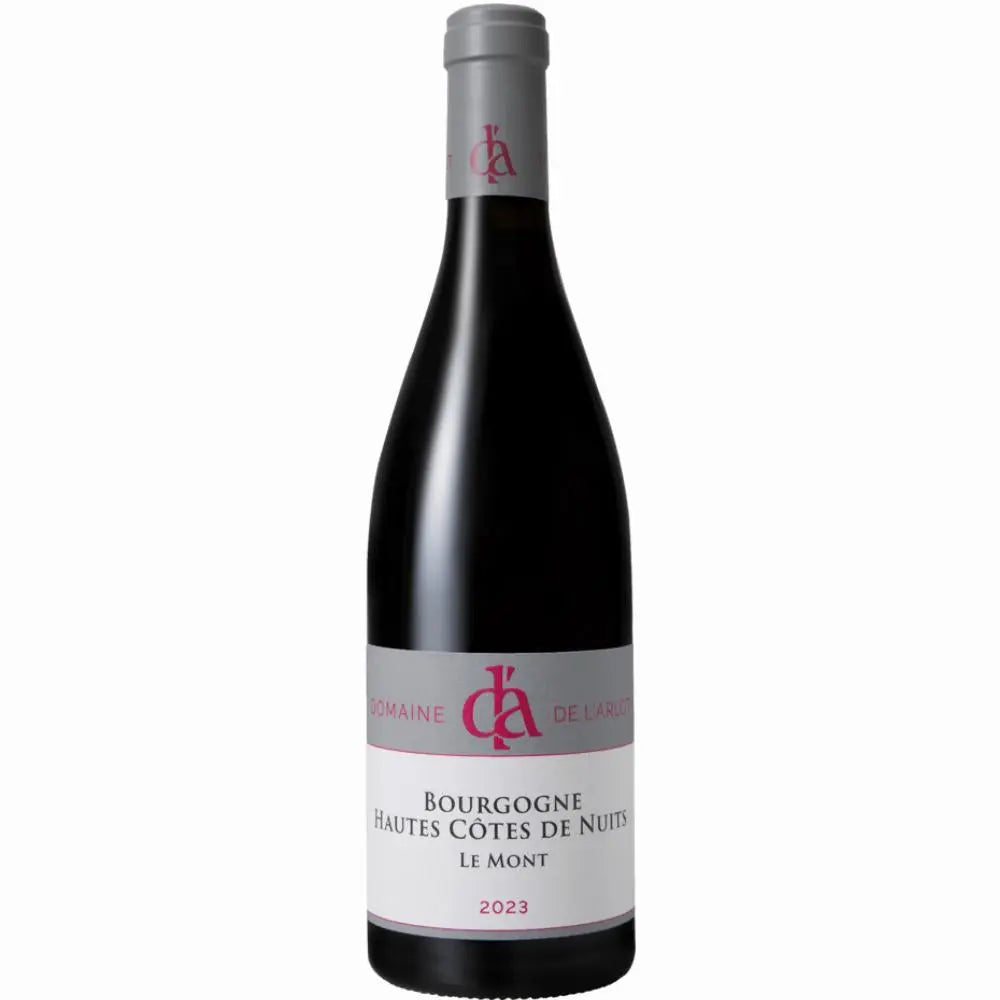
Domaine de l'Arlot Bourgogne Hautes Cotes de Nuits Le Mont Biodynamic 2023 750ml
Domaine de L’Arlot is one of the seminal properties in Nuits St. Georges. The domaine was co-owned by Jean-Pierre de Smet, who spent eight years alongside Jacques Seysses of Domaine Dujac before taking over L’Arlot in 1986. Today, the domaine consists of 14 hectares planted to mostly Pinot Noir. In 2015 the very talented Geraldine Godot took over the domaine. While retaining the core values of l’Arlot, including biodynamic farming, Geraldine has brought her own style to this historic estate, with extraction kept to a minimum, and the wines seeing less new oak than in the past. All of this is done to preserve the gorgeous fruit from their cherished vineyards. With Geraldine’s inspired leadership, Domaine de l’Arlot is committed to maintaining their classic, elegant style of terroir driven wines in hopes of providing the sort of divine pleasure only classic Burgundy delivers.
The 2023 Hautes Cotes de Nuits Le Mont has a fresh, juicy nose of raspberry and cherry that explodes on opening. The latest vintage of this wine is lively yet delicate on the palate, with silky, enveloping tannins. Its fleshy fruit flavors and rich structure make it an ideal accompaniment to dishes, such as beef fondue, country salad, chicken skewers with herbs or even aperitifs served with mushroom terrine canapes.


Domaine de l'Arlot Nuits Saint Georges 1er Cru Mont des Oiseaux Biodynamic 2021 750ml
-
Winemaker Description
Mont des Oiseaux is a cuvée produced in small quantities from Clos de l'Arlot's youngest vines, an estate Monopoly. This wine reveals the elegance of a great terroir and emphasizes the delicacy of red fruit. Fresh and tangy, with good cellaring potential, this wine can also be enjoyed in the bloom of youth.
-
The Terroir
This Nuits Saint Georges 1er Cru is located inside the Clos de l'Arlot. It comes from the upper part of the Clos with a white limestone soil, and from a plot of young vines located at the bottom of the Clos on marl soil.
-
Discover more
- Ageing in barrels, with 30% of new barrels. Bottling takes place after 15-18 months of ageing.


Domaine de la Casa Blanca Banyuls 2022 750ml SWEET
Winemaker Description
Garnet color. It offers a beautiful aromatic complexity, dominated by blackcurrant and blackberry jam, supported by hints of pepper and cocoa. On the palate aromas of apricot jam, black cherries, plums in the finish, all supported by a tannic texture that tempers the sweetness. Excellent with Fourme d'Ambert cheese.


Domaine de la Charbonniere Cotes du Rhone 2024 750ml
Domaine de la Charbonnière Côtes du Rhône — Southern Rhône, France 2024
Domaine de la Charbonnière is one of Châteauneuf-du-Pape's most respected family estates — a producer known for combining the intensity and depth of Southern Rhône fruit with genuine finesse and elegance across their entire range. The 2024 Côtes du Rhône is crafted from estate-owned Grenache and Syrah planted on the plots of "Husson" and "Saint Martin" in Courthézon, harvested by hand, sorted on the estate by vibrating table, and vinified together with a two-week maceration for structure and fruit depth. Aging in stainless steel vats and barrels preserves the purity and freshness of the fruit. The result is a beautifully balanced, fruit-forward red that overdelivers at its price point — a pleasure wine built to share.
The nose is fresh and expressive: bright red cherry, ripe strawberry, fresh red fruit, and subtle floral lift. On the palate, the wine is medium-bodied with a clean, fruit-driven mouthfeel, gentle tannins, and a pure, lingering finish dominated by the clarity of the fruit. It is approachable, elegant, and deeply satisfying — the kind of estate Côtes du Rhône that disappears fast at the table.
"We produce wonderfully well-balanced wines that combine the intensity and depth of fruit with finesse and elegance. The plots for this Côtes du Rhône are located in the town of Courthézon. It is a pleasure wine to share with friends and family." — Winemaker's Notes, Domaine de la Charbonnière
- Producer: Domaine de la Charbonnière, Châteauneuf-du-Pape, Southern Rhône, France
- Vintage: 2024
- Appellation: Côtes du Rhône AOC, Southern Rhône, France
- Varietal: Grenache, Syrah
- Aging: Stainless steel vats & barrels — preserving fresh fruit purity and elegance
- Closure: Cork
- Size: 750ml
- Tasting Notes: Fresh red cherry, ripe strawberry, red fruit, floral lift, clean mouthfeel, pure fruit finish
- Best Paired With: Roasted chicken, lamb chops, hearty stews, charcuterie, soft cheeses
Estate Côtes du Rhône from one of Châteauneuf's finest producers — Domaine de la Charbonnière is the benchmark for what hand-harvested, fruit-pure Southern Rhône red can deliver at an honest price.


Domaine de la Commanderie Quincy 2025 750ml
Domaine de la Commanderie | Quincy AOC | Sauvignon Blanc | Loire Valley, France | 2025
Quincy is one of the Loire Valley's most distinctive and underappreciated appellations — a small, ancient wine zone situated west of Bourges on the banks of the Cher River, producing 100% Sauvignon Blanc from limestone-rich soils that impart a signature mineral precision and depth. Quincy shares the same grape variety and similar terroir as its more famous neighbor Sancerre, but at a fraction of the price — making it one of the Loire's great value secrets for lovers of mineral-driven French Sauvignon Blanc.
Domaine de la Commanderie is a committed estate producer in Quincy, farming with sustainable and organic principles and crafting wines that express the appellation's distinctive limestone terroir with clarity and elegance.
The 2025 is pale yellow with green reflections. The nose is vibrant and inviting — citrus zest, green apple, and subtle floral hints with herbal complexity. On the palate, crisp and fresh with bright acidity, rich minerality, and a harmonious balance of fruit and stone that carries through to a refreshing, lingering finish.
"Citrus and green apples fill the glass with herbal complexity and detailed minerality. A great alternative to pricier Sancerre and perfect with all types of seafood." — Bart Hopkins, 67Wine
Pair with oysters, grilled fish, shellfish, sushi, light pasta, goat cheese, and fresh salads.
- Producer: Domaine de la Commanderie
- Appellation: Quincy AOC, Loire Valley, France
- Grape: Sauvignon Blanc (100%)
- Vintage: 2025
- Soils: Limestone-rich
- Farming: Sustainable / Organic principles
- Bottle Size: 750ml


Domaine De La Grosse Pierre Chiroubles La Grosse Pierre 2024 750ml
Domaine de la Grosse Pierre — Chiroubles, Beaujolais 2024
Pauline Passot’s story is one of the most compelling in Beaujolais. A trained sommelier who worked at the Michelin-starred Pierre Orsi in Lyon, she returned to her family’s roots in Chiroubles in 2016 with a clear mission: to show the world what this underrated Cru could do. Her principal holding is the La Grosse Pierre parcel — classic rose granite soils, 45-year-old vines — vinified whole-cluster in open carbonic maceration, aged in concrete, unfiltered, with little or no sulfites. This is Beaujolais made with the seriousness of a grand cru and the soul of a grower who believes in her terroir.
The nose is vibrant and expressive: red and black cherries, delicate floral notes, and a hint of vine smoke. On the palate, it is light to medium-bodied with silky texture, lively energy, and juicy fruit carried by fine tannins. The finish is clean, elegant, and unmistakably Chiroubles — the most perfumed and ethereal of all the Beaujolais Crus.
- Producer: Domaine de la Grosse Pierre (Pauline Passot), Chiroubles, Beaujolais, France
- Vintage: 2024
- Appellation: Chiroubles AOC, Beaujolais
- Grape: Gamay
- Soils: Rose granite
- Vines: Average 45 years
- Vinification: Whole-cluster carbonic maceration, aged in concrete, unfiltered, minimal sulfites
- Size: 750ml
- Tasting Notes: Red cherry, black cherry, floral lift, vine smoke, silky texture, juicy finish
- Best Paired With: Roast chicken, charcuterie, grilled salmon, mushroom dishes, soft cheeses
Chiroubles at its most soulful — Pauline Passot’s La Grosse Pierre is the Cru Beaujolais that rewards those paying attention.


Domaine de la Janasse Cotes du Rhone Reserve 2023 750ml
The story of Domaine de la Janasse began in 1967. That year, Aimé Sabon returned from his military service. He took over the vineyards of his father, who supplied grapes to a cooperative cellar, and his father-in-law, who sold wine to négociants. By 1973, Aimé had built his own cellar. This is how Domaine de la Janasse was born, named after the family farm located in Courthézon, at a place called “La Janasse.” Aimé was ambitious. Knowing he possessed a fabulous terroir, he continuously expanded the estate by acquiring new parcels. From 15 hectares back then, La Janasse now spans over 90 hectares.
Winemaker Description
The 2024 Côtes-du-Rhône Réserve is a more serious effort than the estate’s regular Côtes-du-Rhône bottling, showcasing Janasse’s ability to marry richness with finesse. Moderately tannic and endowed with a beautiful structure, it develops generous notes of fresh fruit — crushed strawberry and blackberry — on a crunchy, vibrant core, supported by a hint of licorice on the finish.
Pairing Suggestions
- Meat: Roasted lamb with herbes de Provence, grilled duck breast, or beef daube.
- Classic French: Cassoulet, tapenade crostini, or a charcuterie board.
- Cheese: Aged Comté, Manchego, or a firm sheep’s milk cheese.