9 products


Louis Jadot Beaujolais Villages 2024 750ml
Louis Jadot Beaujolais Villages — Beaujolais, Burgundy 2024
Louis Jadot is one of Burgundy's most celebrated négociants, and their Beaujolais Villages is the house's calling card for everyday drinking done right. Sourced from the granite-rich hillside vineyards of the Beaujolais Villages appellation — a step above basic Beaujolais — this 100% Gamay is vinified to highlight the grape's natural exuberance: bright acidity, low tannins, and an irresistible cascade of red and black fruit. Chill it for 20 minutes and it becomes one of the most versatile, crowd-pleasing bottles on the table.
The nose opens with ripe strawberry, raspberry, black plum, rosehip, and white blossoms — fresh, fragrant, and immediately inviting. On the palate, the wine is juicy and medium-bodied with firm red and black fruit, a lively acidity, and a clean, fruit-forward finish. It is the kind of wine that disappears fast — and for good reason.
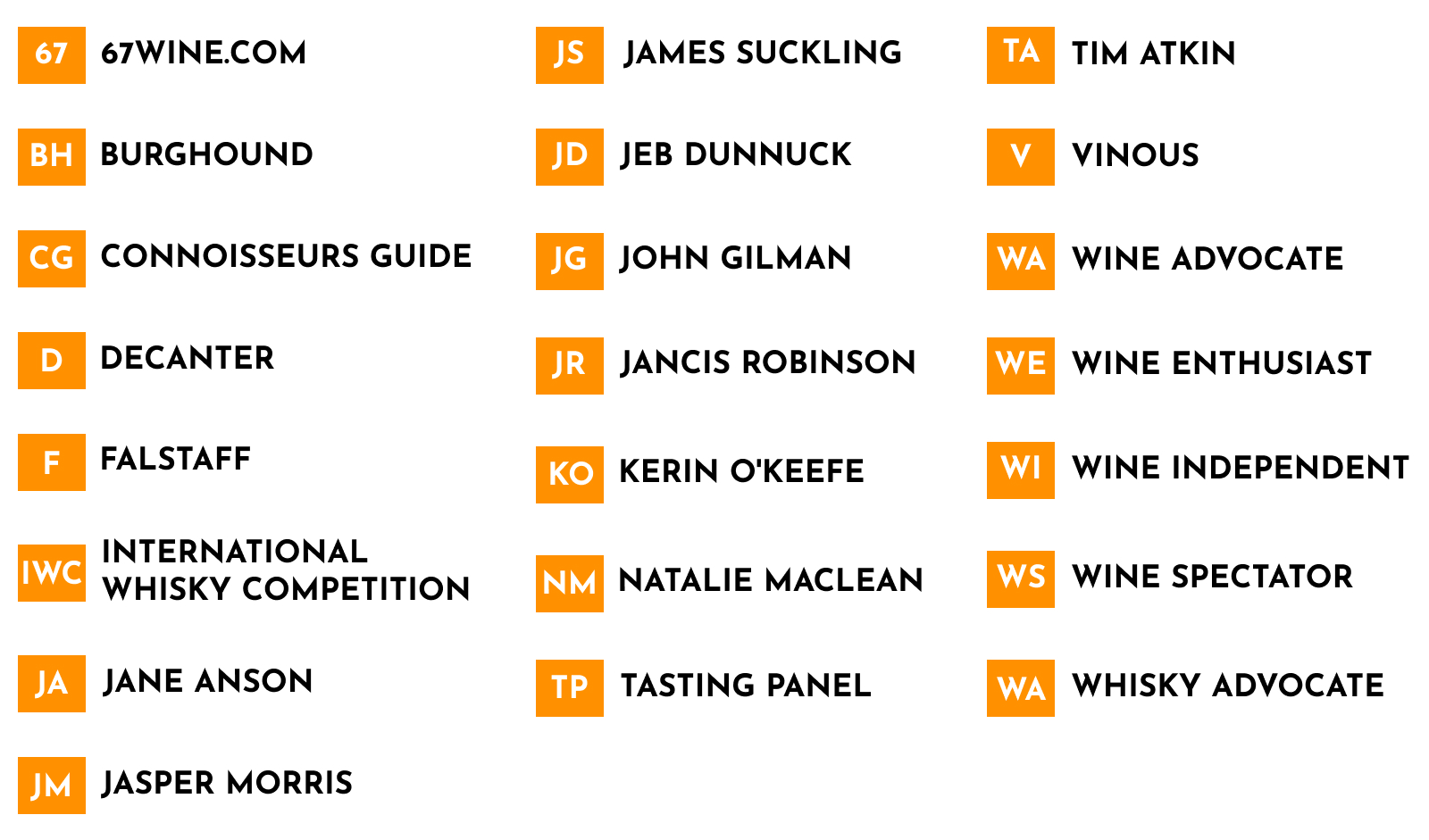
Wine Enthusiast — "A good, hearty and muscular Beaujolais that would pair with grilled vegetables and meats. Nose of black plum, rosehip, strawberry and blossom. On the palate the wine is firm with red and black fruit predominating." (Vintage 2024).
- Producer: Louis Jadot, Beaune, Burgundy, France
- Vintage: 2024
- Appellation: Beaujolais Villages AOC
- Region: Beaujolais, Burgundy, France
- Varietal: 100% Gamay
- Style: Juicy, fruit-forward, low-tannin red wine
- Size: 750ml
- Tasting Notes: Strawberry, raspberry, black plum, rosehip, white blossoms, bright acidity, clean finish
- Best Paired With: Grilled salmon, roast chicken, grilled vegetables, charcuterie, soft cheeses
A benchmark Beaujolais Villages at an honest price — Louis Jadot's Villages bottling is the go-to for effortless, food-friendly French red wine any night of the week.


Marcel Lapierre Raisins Gaulois VdP de Gaul Organic 2025 750ml
Marcel Lapierre Raisins Gaulois VdP de Gaul Organic 2025
Marcel Lapierre is one of the founding fathers of the natural wine movement in Beaujolais, and Raisins Gaulois is his most joyful, approachable expression. Sourced from 60-year-old Gamay vines on granitic soils, the 2025 is vinified without sulfur using semi-carbonic maceration — the result is a wine that is pure, vibrant, and made to be drunk with abandon. Think red cherries, clementine zest, and a whisper of earth, with silky tannins and a refreshing finish. Serve slightly chilled.
- Producer: Marcel Lapierre
- Grape: 100% Gamay
- Region: VdP de Gaul, Beaujolais, France
- Vintage: 2025
- Size: 750ml
- Farming: Certified Organic, No Added Sulfur
- Vinification: Semi-carbonic maceration, 4–6 days; 2 months in cuve before release
- Alcohol: 12.5%
Pairs beautifully with roasted cod, coq au vin, prawn dumplings with sweet chilli sauce, or your next backyard barbecue.


Domaine Jean Foillard Beaujolais Villages Organic 2024 750ml
Domaine Jean Foillard Beaujolais Villages Organic 2024
Jean Foillard is at the pinnacle of Beaujolais winemakers. Serve chilled to 64°F — about 20 minutes in the fridge!
Jean Foillard is one of the Gang of Four — the legendary quartet of Beaujolais producers who, alongside Marcel Lapierre, Guy Breton, and Jean-Paul Thévenet, helped define the natural wine movement in the 1980s. His Beaujolais Villages is sourced from Gamay parcels across Villié-Morgon, Lancié, Saint-Amour, and Saint-Étienne-la-Varenne, farmed organically and vinified with minimal intervention. The 2024 is everything you want from Foillard: sensuous red fruit, mouthwatering acidity, low alcohol, and a silky, dreamy finish that makes you reach for another glass.
- Producer: Domaine Jean Foillard
- Grape: Gamay
- Region: Beaujolais Villages, France
- Vintage: 2024
- Size: 750ml
- Farming: Certified Organic, Natural Winemaking
Pairs beautifully with charcuterie, roast chicken, grilled salmon, or a classic Lyonnaise bouchon spread. Serve slightly chilled.


Domaine De La Grosse Pierre Chiroubles La Grosse Pierre 2024 750ml
Domaine de la Grosse Pierre — Chiroubles, Beaujolais 2024
Pauline Passot’s story is one of the most compelling in Beaujolais. A trained sommelier who worked at the Michelin-starred Pierre Orsi in Lyon, she returned to her family’s roots in Chiroubles in 2016 with a clear mission: to show the world what this underrated Cru could do. Her principal holding is the La Grosse Pierre parcel — classic rose granite soils, 45-year-old vines — vinified whole-cluster in open carbonic maceration, aged in concrete, unfiltered, with little or no sulfites. This is Beaujolais made with the seriousness of a grand cru and the soul of a grower who believes in her terroir.
The nose is vibrant and expressive: red and black cherries, delicate floral notes, and a hint of vine smoke. On the palate, it is light to medium-bodied with silky texture, lively energy, and juicy fruit carried by fine tannins. The finish is clean, elegant, and unmistakably Chiroubles — the most perfumed and ethereal of all the Beaujolais Crus.
- Producer: Domaine de la Grosse Pierre (Pauline Passot), Chiroubles, Beaujolais, France
- Vintage: 2024
- Appellation: Chiroubles AOC, Beaujolais
- Grape: Gamay
- Soils: Rose granite
- Vines: Average 45 years
- Vinification: Whole-cluster carbonic maceration, aged in concrete, unfiltered, minimal sulfites
- Size: 750ml
- Tasting Notes: Red cherry, black cherry, floral lift, vine smoke, silky texture, juicy finish
- Best Paired With: Roast chicken, charcuterie, grilled salmon, mushroom dishes, soft cheeses
Chiroubles at its most soulful — Pauline Passot’s La Grosse Pierre is the Cru Beaujolais that rewards those paying attention.


Domaine de la Grand Cour JF Dutraive Brouilly Vieilles Vignes 2024 750ml
Memo Summary Notes
The 2024 Domaine de la Grand’Cour (Jean-Louis Dutraive) Brouilly "Vieilles Vignes" is a highly sought-after, low-intervention Cru Beaujolais. While the 2024 vintage is just beginning to reach the market (following the 2023 release), it continues the Dutraive family tradition of producing wines that are "natural" in spirit but precise and elegant in profile.
This specific cuvée is an outlier for Jean-Louis Dutraive, whose estate is primarily based in Fleurie. The fruit comes from a 1.6-hectare parcel of vines (some over 100 years old) in Charentay. Unlike the granite-heavy soils of Fleurie, this Brouilly site features limestone and clay, which lends the wine a more muscular, savory, and mineral-driven character.
Importer Notes
On more than one occasion, Jean-Louis Dutraive has been fondly referred by his peers as "the heart of Beaujolais". The Dutraive family home and the Domaine de la Grand'Cour are one in the same, and there is a constant flow of visiting vignerons from every generation for lunches, dinners, casse-croûte ("breaking of bread"), walks in the vines, and tastings in the cellar. Jean-Louis' door is always open, as are his bottles. He makes himself regularly available to young people in the region who are interested in farming naturally, and he is among the first to lend a hand, a tractor, or words of advice to colleagues. Of course, his influence is most felt by his three children with whom he collaborates on the Famille Dutraive label. Daughter Ophélie assumed the helm of Domaine de la Grand'Cour in recent years. While Jean-Louis's presence is always felt, even when he is away enjoying his retirement home in the Jura, Ophélie has a deep connection to her vines and a deft hand in the cellar.
Domaine de la Grand Cour dates back to 1969 when it was purchased by Jean Dutraive, making it one of the oldest in the village of Fleurie. Jean Dutraive was joined by his son and fifth generation vigneron Jean-Louis in 1977. By 1989, the reins were fully in Jean-Louis’s capable hands. The foundation of the property are the lieux-dits of Clos de la Grand Cour, Chapelle des Bois and Champagne which make up a total of 9 hectares of vines in Fleurie, surrounding the house and cellars. Additionally, the family has 1.6 hectares in the cru of Brouilly where the Dutraive family originates. The average age of the vines are around 40-50 years, with a good chunk over 70 years of age.
The family are regarded as trailblazers in natural viticulture, and they continue to serve as a shining example of farmers who work in tandem with nature. Harvest is done by hand and grapes are immediately placed in tank at low temperatures to begin carbonic maceration (without sulfur). The wines ferment naturally with indigenous yeast and are macerated on the skins for anywhere from 15-30 days depending on the vintage and the particular wine. The wines are then gravity fed to the cellar for a period of ageing of 6-15 months, depending on the cuvée. Elevage occurs mostly in used burgundy barrels, though the Fleurie Grand'Cour, Fleurie Chapelle des Bois and Brouilly are sometimes aged at least partially in old foudres or cement tanks depending on the vintage. S02 is rarely added during the élévage, only when necessary, though a small amount is added when the wines are racked and assembled for bottling. And in general, no fining and filtration is used unless absolutely required. In the words of Jean-Louis, he practices "low intervention, high surveillance" winemaking.
The Dutraive lineup includes some of the most aromatically and texturally unique wines in all of Beaujolais. One whiff and the wines give an almost exotic floral and spicy aroma, followed by lush minerally Gamay fruit, sort of like a top Morey St. Denis 1er or Grand Cru nose combined with earthy, Volnay-like fruit. There is also a textural lushness and exuberance backed up by ample structure and acid. These are substantial Beaujolais, and ones that could certainly stand up to food. They also have the requisite material to develop and evolve over the medium term, i.e. 10-12 years of aging - easily! Jean-Louis and his Domaine de la Grand'Cour wines have more than earned their place in the top ranks of today's Beaujolais domaines.


Domaine Jean Foillard Morgon Cote Du Py 2024 Organic 750ml
Domaine Jean Foillard Morgon Côte du Py Organic — Beaujolais 2024
Jean Foillard is one of the founding members of Beaujolais’s legendary Gang of Four — alongside Marcel Lapierre, Jean-Paul Thévenet, and Guy Breton — the group of vignerons who, inspired by the teachings of Jules Chauvet, staged a quiet revolution against the industrial Beaujolais of the 1980s. Their manifesto: old vines, no synthetic herbicides or pesticides, late harvesting, rigorous sorting, minimal sulfur, no chaptalization, no filtration. The result is Morgon as it was always meant to be — structured, mineral, and age-worthy, with none of the bubblegum and banana aromas that plagued the region’s commercial wines. Jean and Agnès Foillard farm nearly 14 hectares, most of them on the Côte du Py — the famed granite and schist slope above Villié-Morgon that is the pride of the appellation. Vinous awarded the 2024 Côte du Py 92 points.
The nose is serious and mineral: earthy stone, plum, red and black fruit, and black tea leaves with crushed stone. On the palate, the wine is fresh and lively on entry, with a skip in its step — a Côte du Py with energy and precision, finishing with an assiduous sprinkle of white pepper and a long, harmonious close. Jean raises his wines in older Burgundy barrels, lending a velvety lushness that makes them irresistible young despite their considerable aging potential.
Vinous 92 — "A mélange of red and black fruit, black tea leaves and crushed stone. Fresh and lively on the entry, a Côte du Py with a skip in its step and an assiduous sprinkling of white pepper towards the harmonious finish." (Vintage 2024).
- Producer: Domaine Jean Foillard, Villié-Morgon, Beaujolais, France
- Vintage: 2024
- Appellation: Morgon, Beaujolais
- Vineyard: Côte du Py — granite and schist soils
- Varietal: 100% Gamay
- Farming: Certified Organic, no synthetic inputs, minimal sulfur, unfiltered
- Size: 750ml
- Tasting Notes: Earthy stone, plum, red and black fruit, black tea, crushed stone, white pepper, velvety finish
- Cellar Potential: Drink now or cellar 5–10+ years
- Best Paired With: Roast chicken, duck confit, charcuterie, mushroom dishes, soft cheeses
A 92-point organic Morgon from one of Beaujolais’s most important estates — mineral, structured, and built to age.


Jean Claude Lapalu Brouilly La Croix des Rameaux 2024 750ml
Memo Summary Notes
-
Complex bouquet of dark red and blue fruits (black cherry, black raspberry), floral notes (violets, potpourri), and earthy/mineral undertones.
-
Palate: Full-bodied for a Beaujolais, with a seamless texture and a fleshy, concentrated core of fruit. Expect good acidity, subtle spice, and a tactile, mineral-driven finish. It has the structure to age for several years.
From over 50-year-old southwest-facing vines on sandy, granitic soils, La Croix des Rameaux is a rich and elegant Gamay made with close attention paid to managing extraction, so the wine maintains lift and energy.
Pair with
-
Roast chicken or turkey (especially with herbs).
-
Rich Dishes: Beef bourguignon, a savory mushroom risotto, or a hearty stew.
-
Meats: Cured meats, lamb tongue, or any roast white meat.
-
Casual: Gourmet pizza or dishes with red sauce.


Domaine Jean Foillard Morgon Corcelette 2024 Organic 750ml
Gamay | Morgon, Beaujolais / France
Vintage: 2024 | Size: 750ml
Organic · Natural Fermentation · Unfiltered
Jean Foillard is a legend of the natural wine movement — a pioneering figure in Morgon who helped define what Beaujolais could be when farmed with care and made without compromise. His family tends fourteen hectares in the heart of Morgon with a non-interventionist philosophy: organic viticulture, spontaneous fermentation with native yeasts, whole-bunch vinification, and bottling unfiltered. The result is Gamay that is silky, structured, and unmistakably of its place.
The Corcelette cuvée comes from one of Morgon’s most prized sites. Grapes are harvested late and hand-selected in the vineyard, then fermented as whole bunches for 2–3 weeks before aging 6–8 months in oak barrels. The 2024 is wonderfully characterful — brambly red fruit, hints of sous-bois and wilted rose petal on the nose, with impressive delineation. The palate is fresh and vibrant, with gentle grip, fine powdery texture, and a focused, slightly herbaceous tea-leaf finish. Very classy, and built to reward patience over the next four to six years.
“The 2024 Morgon Corcelette has a wonderful, characterful bouquet with brambly red fruit, hints of sous-bois and wilted rose petal. Impressive delineation. The palate is fresh and vibrant with gentle grip on the entry. Fine structure… focused. Very classy.”
— Vinous, 90 Points“Silky and seductive, with notes of rose petals, red berries, and stones. With just the right amount of tannin and acidity, and lots of class, it is perfect for all occasions.”
— Tom Wolf, Kermit Lynch Wine Merchant
Pairs with: Roast chicken, duck confit, charcuterie, mushroom dishes, or a simple platter of French cheeses.


Terres Dorees L'Ancien Vieilles Vignes Jean Paul Brun Beaujolais Organic 2024 750ml
Fresh, expressive and beautifully traditional Beaujolais. Jean-Paul Brun's L'Ancien Vieilles Vignes 2024 is made from 100% Gamay grown on old vines in the southern Beaujolais, where clay, limestone and granite soils help give the wine both brightness and mineral character.
The nose is immediately inviting, with aromas of black cherry, raspberry and ripe strawberry joined by subtle notes of spice, earth and licorice. On the palate, the wine is juicy and vibrant, with silky tannins, lively acidity and a fresh, elegant finish. It offers all the charm and drinkability Beaujolais is famous for, while the old vines bring additional depth and concentration.
Jean-Paul Brun is known for making Beaujolais in a more traditional style. Rather than emphasizing the overtly fruity character associated with industrial yeasts, Brun favors indigenous yeasts and classic winemaking methods to preserve the natural expression of Gamay and the vineyard. The result is a wine that feels pure, energetic and remarkably food-friendly. :contentReference[oaicite:0]{index=0}
About Domaine des Terres Dorées
Jean-Paul Brun is based in Charnay, in the southern Beaujolais area known as the Terres Dorées, or "Golden Stones." His family estate has become celebrated for delicate, fruit-driven wines that favor traditional winemaking and a clear sense of place. L'Ancien is produced from mature Gamay vines, typically around 40 to 60 years old. :contentReference[oaicite:1]{index=1}
Tasting Notes
- Grape: 100% Gamay
- Region: Beaujolais, France
- Vines: Old vines, approximately 40–60 years old
- Farming: Organic
- Style: Fresh, juicy, silky and elegant
- Flavors: Black cherry, raspberry, strawberry, spice, earth and licorice
Food Pairing
Exceptionally versatile at the table. Pair it with charcuterie, roast chicken, pork, burgers, grilled meats, salmon, mushrooms or soft and semi-firm cheeses. For an especially refreshing expression, serve it slightly chilled.